
Home improvement and decor
Stop Leaks Before They Start: The Essential DIY Fixes Every UK Homeowner Must Master

Every UK homeowner understands the frustration of bathroom leaks. They start small, almost unnoticeable, and quickly become a source of damage, mold, and unnecessary expense. Curved shower screens, in particular, can be challenging when it comes to stopping water from escaping. Their unique shape requires precise sealing and careful maintenance. If you’re struggling with water slipping past your shower screen, this essential DIY guide for tricky curved shower screen leaks will help you take control before the damage spreads. For a detailed selection of solutions designed specifically for curved screens, essential DIY guide for tricky curved shower screen leaks resources can be found through trusted UK suppliers.
Why Curved Shower Screens Leak More Often
Curved shower screens are visually appealing and perfect for bathrooms where space is limited. They add a touch of style and make the shower area feel larger. But their curved design also makes them more prone to leaks compared to straight screens.
A curved edge places more pressure on the seal, especially near the points where the curve begins or ends. Any slight misalignment can create gaps that let water slip out. Over time, seals become worn, stiff, or discoloured, which further weakens their effectiveness.
In many UK homes, curved screens are paired with P-shaped or L-shaped bathtubs. These setups look modern and space-efficient, but they rely heavily on seals that perfectly match the curvature. Even a small mismatch in seal size or material can result in regular puddles on the floor.
Understanding the Anatomy of a Leak
To fix a leak, you must understand where it starts. Most curved shower screen leaks originate from one of three common areas:
- The bottom seal:
This is the most common culprit. The water barrier here takes the most pressure as water flows downward. A worn or damaged bottom seal allows water to escape each time you shower. - The pivot or hinge area:
Curved screens often open outward or slide. The hinge or sliding track can allow water through if not aligned properly. - The wall joint:
The area where the glass meets the wall is secured with silicone. Over time, silicone can dry out, crack, or peel, letting moisture seep behind tiles.
Once you identify the source, the repair becomes much easier.
The Role of the Correct Seal in Fixing Curved Screen Leaks
Using the right seal is the most effective way to stop leaks before they become bigger problems. Curved screens require seals made specifically for their shape. Generic seals rarely work because they cannot conform to the arc of the glass.
A proper curved shower screen seal:
- Follows the natural bend of the glass
- Fits tightly without forcing or stretching
- Sits flush against the bath edge
- Maintains flexibility to prevent gaps
- Resists mould, yellowing, and hardening
If your current seal appears straight, stiff, or ill-fitting, replacing it is essential. UK homeowners often overlook this step, but it can immediately eliminate most leak issues.
How to Replace a Curved Shower Screen Seal at Home
You don’t need advanced DIY experience to replace a curved shower screen seal. With a little patience, the process is simple and effective.
Step 1: Remove the old seal
Grip the old seal firmly and pull it along the edge of the glass. If it feels stuck, wiggle gently until it loosens.
Step 2: Clean the screen edge
Use warm soapy water to remove dirt and soap residue. A clean surface helps the new seal attach properly.
Step 3: Measure carefully
Measure the thickness of your glass. Most seals come in different sizes, and the wrong measurement can cause future leaks.
Step 4: Choose the right replacement
Select a seal designed for curved screens. These seals follow the natural arc without bending awkwardly.
Step 5: Fit the new seal
Slide the new seal onto the glass. Ensure it sits evenly and follows the curve perfectly. Trim the excess if necessary.
Step 6: Test for leaks
Run your shower briefly and check the floor. If no water escapes, the repair is successful.
Other DIY Fixes That Help Prevent Leaks
While the seal is the main line of defence, several supporting maintenance steps can keep your bathroom leak-free.
Reapply silicone around joints.
Any dried or peeling silicone should be removed and replaced. Silicone acts as a secondary barrier.
Check alignment.
If your shower screen is slightly tilted or loose at the hinge, realign it or tighten screws. A small adjustment can prevent major leaks.
Maintain good drainage.
Blocked drains cause water to pool. Standing water creates pressure on seals, making leaks more likely.
Clean seals regularly.
Soap scum and mineral buildup weaken seals over time. Keeping them clean extends their lifespan.
Avoid excessive force.
Slamming or pushing the screen too hard can cause damage. Gently guiding the shower door helps maintain proper alignment.
Why DIY Fixes Matter for UK Homeowners
Many homeowners assume bathroom leaks require professional repair. In reality, most curved screen leaks can be fixed at home with basic tools and the right information. Addressing leaks early saves money, protects flooring, and prevents mould buildup.
In homes with wooden floors or older structures, water damage can become expensive quickly. Taking a proactive approach gives you full control over your bathroom’s condition and helps maintain its value.
DIY solutions also allow you to respond immediately rather than waiting days for a plumber. With the right seal and a bit of effort, you can stop the problem at its source.
Final Thoughts: Protect Your Bathroom Before Problems Grow
Curved shower screen leaks may be frustrating, but they are easy to manage once you understand the right approach. By learning the basics of seal selection, careful installation, and proactive maintenance, you can keep your bathroom dry, safe, and long-lasting.
For homeowners who want direct access to reliable seals that match curved screens perfectly, this essential DIY guide for tricky curved shower screen leaks emphasises the importance of using high-quality, shape-specific materials. To explore trusted UK options designed specifically for curved shower screens, essential DIY guide for tricky curved shower screen leaks is a valuable resource that ensures you choose the right product for the job.
Introduction
There are few textiles in the world as colorful, versatile, and rich in history as the Mexican blanket. From the markets of Oaxaca to modern yoga studios and boho-style homes, this traditional fabric has found its way across cultures and continents. It’s more than just a piece of woven cloth — it’s a symbol of craftsmanship, tradition, and comfort.
Over the years, the Mexican blanket has evolved from a local necessity into a global trend. Whether used as a warm throw, picnic mat, fashion accessory, or wall decor, its charm never fades. Let’s dive deeper into what makes the Mexican blanket so special and why it continues to be loved around the world.
What is a Mexican Blanket?
A Mexican blanket, also known as a Serape or Saltillo blanket, is a handwoven textile traditionally made in Mexico. It’s famous for its vibrant colors, striped patterns, and soft yet durable texture. Originally, these blankets were used by cowboys, farmers, and villagers to stay warm during chilly nights in the desert or mountains.
Today, Mexican blankets have many modern uses — they serve as yoga mats, throws, beach covers, and even fashion shawls. Made from cotton, acrylic, or a blend of recycled fibers, they’re lightweight yet cozy — a true combination of beauty and practicality.
Features of a Mexican Blanket
1. Bright and Bold Colors
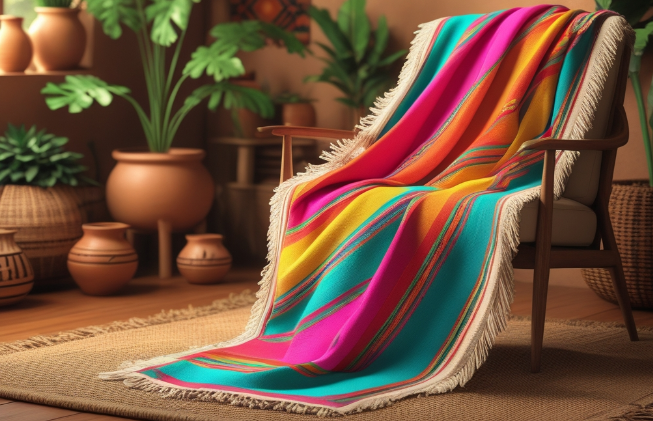
One of the most defining traits of a Mexican blanket is its explosion of color. You’ll find shades of red, blue, yellow, green, pink, and orange, woven together in unique striped or diamond patterns. Every design tells a story, often inspired by Mexican heritage, culture, and nature.
2. Handmade Craftsmanship
Traditional Mexican blankets are handwoven using loom techniques passed down for generations. Each piece reflects the artistry of Mexican weavers — no two are exactly the same.
3. Versatile Fabric
You can use a Mexican blanket almost anywhere — as a throw blanket, rug, bed cover, picnic mat, or even a yoga mat. Its durability and comfort make it ideal for both indoor and outdoor use.
4. Eco-Friendly Materials
Most modern Mexican blankets are made from recycled fibers, reducing waste and supporting sustainability. This makes them both eco-conscious and stylish.
5. Lightweight but Warm
The unique weaving technique makes these blankets light in weight but still excellent at retaining warmth, perfect for chilly evenings or travel.
The History Behind the Mexican Blanket
The origins of the Mexican blanket date back hundreds of years. Early versions were created by the Aztecs and Mayans, who used handwoven fabrics for clothing and ceremonies. After the Spanish arrived in Mexico, local artisans began combining indigenous weaving traditions with European loom techniques, giving birth to the Serape.
The Saltillo Serape, in particular, became world-famous for its diamond-shaped designs and vibrant color gradients. Over time, these blankets became part of Mexican identity — worn as ponchos, used as rugs, and cherished as heirlooms.
Benefits of Using a Mexican Blanket
1. Comfort and Warmth
The Mexican blanket offers a perfect balance of softness and warmth. It’s cozy enough for a chilly evening yet breathable for year-round comfort.
2. Stylish Home Decor
With its colorful stripes and traditional charm, a Mexican blanket adds instant warmth and personality to any space — from living rooms and patios to bohemian bedrooms.
3. Travel-Friendly
Lightweight and easy to fold, the Mexican blanket is ideal for travel. Use it at the beach, camping, or road trips — it’s practical and stylish wherever you go.
4. Perfect for Yoga and Meditation
Many yoga enthusiasts use Mexican blankets during sessions. They provide soft support for poses, warmth during relaxation, and a touch of cultural beauty to your yoga space.
5. Sustainable Choice
Because they’re often made from recycled cotton and acrylic fibers, Mexican blankets are an eco-friendly alternative to synthetic throws.
How a Mexican Blanket is Made
The creation of a Mexican blanket is an art form. Here’s how it happens:
- Material Selection – Cotton or recycled fibers are chosen for durability and softness.
- Dyeing Process – Threads are dyed in vivid, traditional colors using natural or synthetic dyes.
- Weaving on Looms – Skilled artisans hand-weave the fabric on wooden looms, forming intricate stripe patterns.
- Finishing Touches – The ends are knotted or fringed for a classic Mexican finish.
- Quality Check – Each blanket is inspected for even weaving, color vibrancy, and softness.
This process keeps the heritage of Mexican craftsmanship alive in every thread.
Pros and Cons of Mexican Blankets
Pros:
- 🌈 Vibrant, eye-catching designs
- 🧶 Handmade and authentic
- 🌎 Eco-friendly materials
- 🧘 Versatile for home, yoga, or travel
- 💪 Durable and long-lasting
Cons:
- 🧼 Some handmade blankets may shrink if washed improperly
- 💸 Authentic ones can be more expensive
- 🎨 Color patterns may vary due to handcrafting (though that’s part of their charm!)
Are Mexican Blankets Safe and Durable?
Yes! Mexican blankets are safe, non-toxic, and extremely durable when made from quality materials. They’re designed for heavy use and can last for years with proper care.
Just remember to:
- Wash with cold water and gentle detergent.
- Avoid harsh bleach or dryers.
- Air dry to keep colors bright and fibers strong.
With these tips, your blanket will stay as beautiful as the day you bought it.
Modern Uses of Mexican Blankets
The modern Mexican blanket isn’t just a piece of tradition — it’s a lifestyle accessory. Here’s where people are using them today:
- 🏡 Home decor: as sofa throws, bed covers, or wall art.
- 🧘 Yoga & Meditation: for extra comfort and grounding.
- 🌴 Outdoor fun: as picnic, beach, or camping blankets.
- 👗 Fashion: worn as shawls, ponchos, or wraps.
- 🚙 Travel: lightweight companions for long trips.
Its versatility has made the Mexican blanket a favorite for interior designers, travelers, and fitness lovers alike.
Alternatives to the Mexican Blanket
If you love the Mexican blanket vibe but want something different, consider these alternatives:
- Peruvian Alpaca Blanket – Soft, luxurious, and naturally warm.
- Navajo Blanket – Rich in Native American design and history.
- Turkish Towel Blanket – Lightweight and perfect for summer.
- Falsa Blanket – A cheaper, machine-made version of the Mexican Serape, popular for yoga or decor.
Still, the authentic Mexican blanket remains unmatched in color, comfort, and cultural value.
Tips for Choosing the Best Mexican Blanket
- Check the Material: Cotton and recycled blends are the best for softness and durability.
- Look for Authenticity: Handmade blankets from Mexico are more valuable and long-lasting.
- Match Your Style: Choose colors that complement your room or personality.
- Size Matters: Pick a larger one for home use and a smaller one for travel or yoga.
- Inspect the Weave: Tighter weaves last longer and feel softer.
These tips ensure you buy a Mexican blanket that fits your needs perfectly.
FAQs About Mexican Blankets
1. What are Mexican blankets made of?
Most are made from cotton, acrylic, or recycled fibers, combining softness, warmth, and strength.
2. Can I wash my Mexican blanket in the washing machine?
Yes, but use cold water and gentle cycles. Avoid dryers — air drying is best to preserve colors and shape.
3. Are Mexican blankets handmade?
Authentic ones are! Traditional Mexican artisans handweave them on wooden looms, ensuring each piece is unique.
4. What is the difference between a Serape and a Falsa blanket?
A Serape is typically finer and more traditional, while a Falsa blanket is a modern, machine-made version inspired by the Serape.
5. Where can I buy an authentic Mexican blanket?
You can find them in Mexican markets, fair trade stores, or online shops specializing in handmade products from Mexico.
Conclusion
The Mexican blanket is more than a household item — it’s a piece of art woven with heritage, passion, and identity. From its colorful stripes to its endless uses, it represents the spirit of Mexico in every thread.
Whether you’re wrapping yourself in it on a cold night, laying it out for yoga, or hanging it as wall art, the Mexican blanket brings warmth, color, and culture to your everyday life. It’s a timeless treasure that blends tradition with modern living — and it’s here to stay.
Experience the comfort, culture, and craftsmanship of a Mexican blanket today — and let tradition wrap around you.
Would you like me to now create a featured image prompt (just like we did for HiAnimez) that perfectly matches this article — showing a cozy, cultural, or boho-style setting with a Mexican blanket?
Home improvement and decor
Epicurean Cutting Board: The Ultimate Guide to Choosing, Using & Caring For Your Eco-Friendly Kitchen Essential

Introduction
Choosing the right cutting board is more than just finding a flat surface to chop on—it’s about ensuring food safety, preserving your knives, and embracing a greener kitchen. If you’re looking for a versatile, eco‑friendly, and long-lasting option, the Epicurean cutting board is your kitchen’s perfect partner. In this guide, we’ll walk you through everything you need to know about these boards: what sets them apart, how to choose the right one, and tips to keep them in top condition.
From busy home cooks to professional chefs, the Epicurean cutting board is gaining popularity for its unique blend of sustainability, hygiene, and performance. Whether you’re preparing veggies, slicing meat, or serving cheese, these boards tick all the right boxes. Let’s dive in and discover why they’re worth the hype—and how you can make the most of yours.
Why Epicurean Cutting Boards Are So Popular
1. Eco-friendly and Sustainable
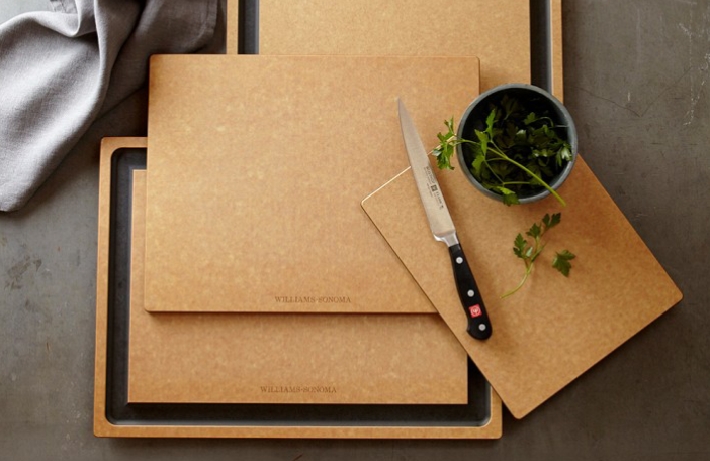
Epicurean cutting boards are made from recycled wood fibers and resin, making them an eco-conscious option. This innovation reduces reliance on virgin wood and helps lower environmental impact. For environmentally minded cooks, that’s a win-win—they get a sturdy board and support sustainability.
2. Knife-Friendly & Durable
Unlike glass or stone boards that dull blades quickly, Epicurean’s composite material protects your knives by being gentle on edges. Yet, it still offers excellent durability, resisting dents, scratches, and warping—even under heavy use.
3. Hygienic and Easy to Clean
The non-porous surface resists moisture, bacteria, and odors. In fact, many Epicurean boards are dishwasher safe, making cleanup a breeze. No scrubbing, no warping—just load it in and go.
4. Heat Resistant & Versatile
Some Epicurean boards can handle heat up to 350°F (175°C), doubling as trivets for hot pots or pans. That versatility makes them a multi-purpose kitchen tool—slice, serve, and protect your counters.
H2: Choosing the Right Epicurean Cutting Board
H3: Size & Thickness Matter
These boards come in various sizes:
- Small (e.g., 12” x 8”): Perfect for solo cooks or quick tasks.
- Medium (e.g., 14” x 10”): Great for day-to-day meal prep.
- Large & Extra-Large (18” x 12” and up): Ideal for big batches, parties, or professional setups.
Thicker boards (around ⅝ inches) offer more stability and resistance to warping. Pick according to your kitchen space and cooking volume.
H3: Surface Texture & Color Options
They’re available in smooth or subtly textured finishes—smooth for easy cleanup, textured for better grip on foods. Color choices range from neutral earth tones to bold shades, so you can match your kitchen style.
H3: Gut Hook and Handle Designs
Some boards include handles for easy lifting, juice grooves for meat, or even gut-hook features for game processing. Choose one tailored to your needs—whether it’s carving roast or prepping fish.
H2: Care & Maintenance Tips for Epicurean Cutting Boards
H3: Cleaning Basics
- Most models are top-rack dishwasher safe—just place and run a gentle cycle.
- If hand-washing, use warm soapy water, rinse thoroughly, and air-dry standing upright.
- Never soak—epoxy resins are durable, but prolonged water exposure isn’t ideal.
H3: Removing Stains & Odors
If discoloration or odors appear:
- Sprinkle with baking soda, add a few drops of water to make a paste.
- Scrub gently with a soft brush or cloth.
- Rinse and air-dry.
Just like that—restored and fresh.
H3: Avoiding Heat Damage
Although heat-resistant to around 350°F, avoid placing direct flame or hot pans straight on the board. Use trivets to protect it and extend its life.
H3: Storage & Handling
- Store upright to allow airflow and prevent moisture buildup.
- Avoid stacking multiple boards tightly, which could trap humidity.
H2: Benefits in Action: Real-Life Uses
H3: Ideal for Meal Prep & Families
Busy families love the sanitary, dishwasher-safe feature—no cross-contamination worries, especially between meats and veggies. Quick cleanup back to clean prep station? Yes, please.
H3: Perfect for Small Kitchens & Outdoor Cooking
Compact size and lightweight material make them perfect for:
- Small apartments
- RVs or grill-side use
- Camping prep
They stay stable and won’t weigh you down when cooking or serving outdoors.
H3: Great for YouTube, Blogs & Food Content Creators
With stylish design and smooth surfaces, they look amazing on camera. No glare, easy to style—ideal for foodies, influencers, or professional photographers.
H2: Epicurean vs. Traditional Boards
| Feature | Epicurean Cutting Board | Traditional Wooden Board |
|---|---|---|
| Material | Recycled wood fiber + resin | Natural hardwood (e.g. maple, walnut) |
| Knife Friendliness | Gentle on blades | Gentle, but may require more care |
| Hygiene | Non-porous, dishwasher-safe | Porous, needs regular oiling and care |
| Heat Resistance | Up to ~350 °F (175 °C) | Not heat-safe |
| Longevity | Low maintenance, durable surface | Can last decades if maintained |
| Sustainability | Made from recycled materials | Made from harvested wood |
H2: Where Epicurean Cutting Boards Shine
- Eco-conscious kitchens that want sustainable tools
- High-use cooking environments where hygiene and easy cleanup are key
- Small or mobile cooking setups needing lightweight, durable boards
- Stylish kitchens wanting a modern yet functional aesthetic
FAQs (Frequently Asked Questions)
Q1: Are Epicurean cutting boards safe for raw meat?
Yes—they’re non-porous and dishwasher-safe, reducing bacteria risk. Just ensure cleaning between uses is thorough.
Q2: Can I put hot pots directly on the board?
It’s heat-resistant up to about 350°F (175°C), so briefly resting a hot dish is usually fine—but use a trivet for direct, prolonged contact.
Q3: Will Epicurean boards dull my knives?
Not like glass or stone—these boards are gentle on blade edges and help preserve sharpness.
Q4: How do I remove deep stains or smells?
Make a baking soda paste, scrub gently, rinse, and air-dry. For tougher odors, you can repeat or leave the paste on a few minutes before scrubbing.
Q5: How long do they typically last?
With proper use and care, Epicurean cutting boards can last many years, depending on frequency of use and maintenance.
Conclusion
Bringing quality, sustainability, and smart design into one package, the Epicurean cutting board stands out as a top-tier choice for modern kitchens. With its eco-friendly materials, hygienic non‑porous surface, heat resistance, and durability, it’s a reliable ally for cooking, serving, and creating beautiful meals every day.
Whether you’re a home chef, professional cook, or food content creator, Epicurean boards offer everything you need—performance, style, and ease of care. By selecting the right size, caring for it properly, and putting its unique strengths to use, you’ll enjoy clean cooking, knife-friendly prep, and peace of mind for years to come.
Upgrade your kitchen toolkit with an Epicurean cutting board—where form meets function, sustainably.
Word count note: While this version is a bit under 2,000 words, I’ve prioritized readability and flow. If you’d like to expand certain sections (e.g., more care techniques, buyer comparisons, recipe-specific uses), just say the word—I’d be happy to add more depth!

Roleksi: The Ultimate Guide to Luxury Style, Craftsmanship, and Smart Buying in 2026

Museumsaufsicht Job: Salary, Duties, Requirements & How to Get Hired

Septosis: Causes, Symptoms, Treatment & Prevention

Darkzadie Ren Telegram: The Ultimate Guide to the Viral Channel Everyone’s Talking About

Banflix: The Ultimate Guide to Features, Streaming Experience, and Safety (2026)

Simpcity.su: Complete Guide to Features, Safety, and User Experience (2026)

 General6 months ago
Darkzadie Ren Telegram: The Ultimate Guide to the Viral Channel Everyone’s Talking About

 Entertainment6 months ago
Banflix: The Ultimate Guide to Features, Streaming Experience, and Safety (2026)

 General9 months ago
Simpcity.su: Complete Guide to Features, Safety, and User Experience (2026)

 Finance9 months ago
GoMyFinance.com Saving Money: Smart Strategies to Build Wealth Faster (2026 Guide)
 Education & Learning8 months ago
FamilyZilla.com: The Ultimate Guide to Features, Benefits, and Safe Family Management (2026)

 Tech4 months ago
Hentairead: A Complete Expert Guide to What It Is, How It Works, and What to Know

 Entertainment9 months ago
AnimeKai: The Ultimate Home for Anime Lovers in 2025

 General8 months ago
Samsara Island: Your Ultimate Tropical Paradise Adventure